Spend on the part of the day you repeat
Open the kind of document you write and spend time reading it as well as typing. Check line length, text size and how much of the page remains visible when comments or reference material are open. A sharp screen that forces you into tiny text is not a useful improvement.
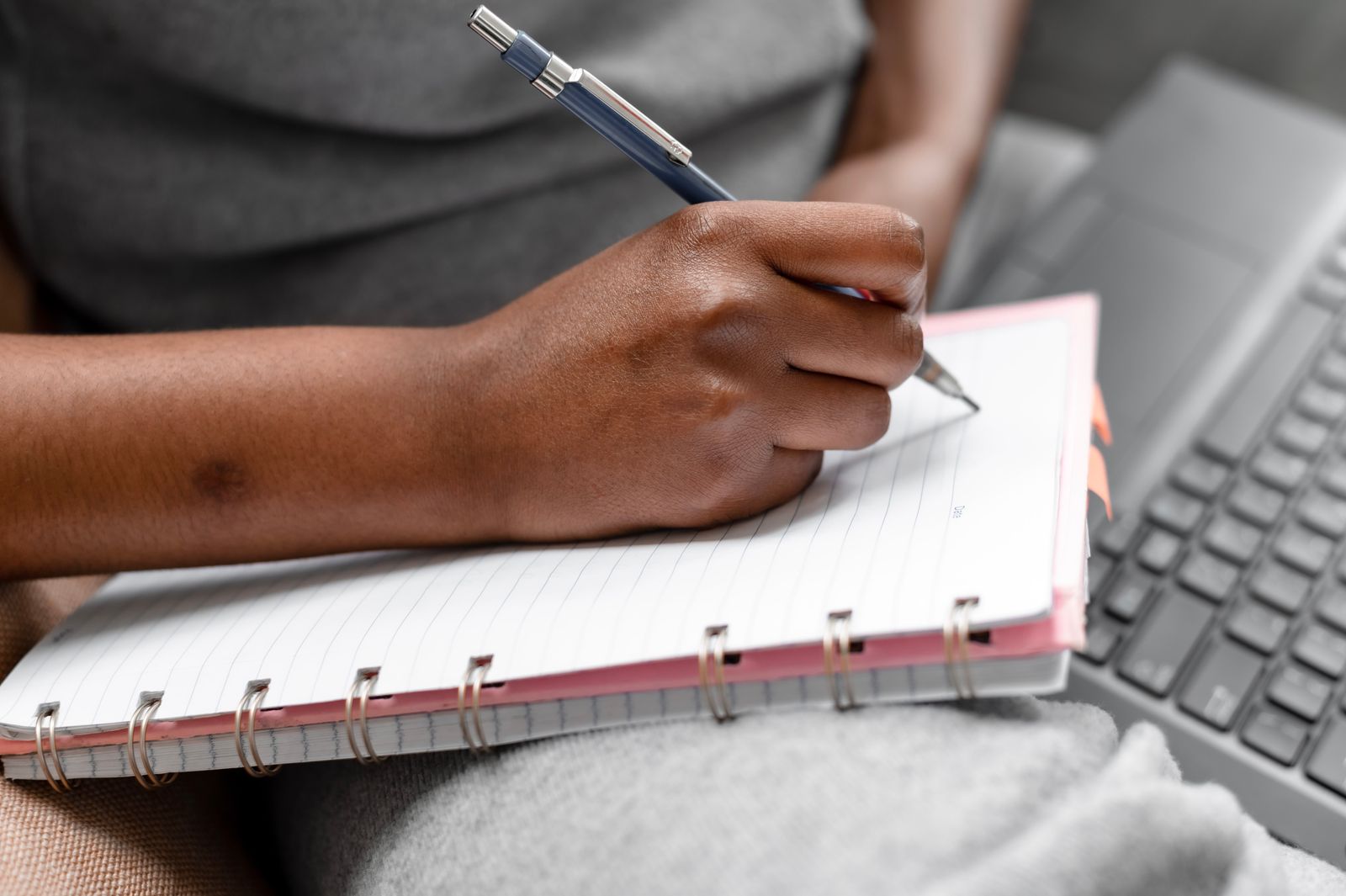
Try a full paragraph on the keyboard, including edits. Test the arrow keys, Delete, punctuation and the shortcuts you use to move through a draft. The feel of individual keys matters, but so does the layout. A keyboard you keep correcting yourself on can be more disruptive than a slightly slower processor.
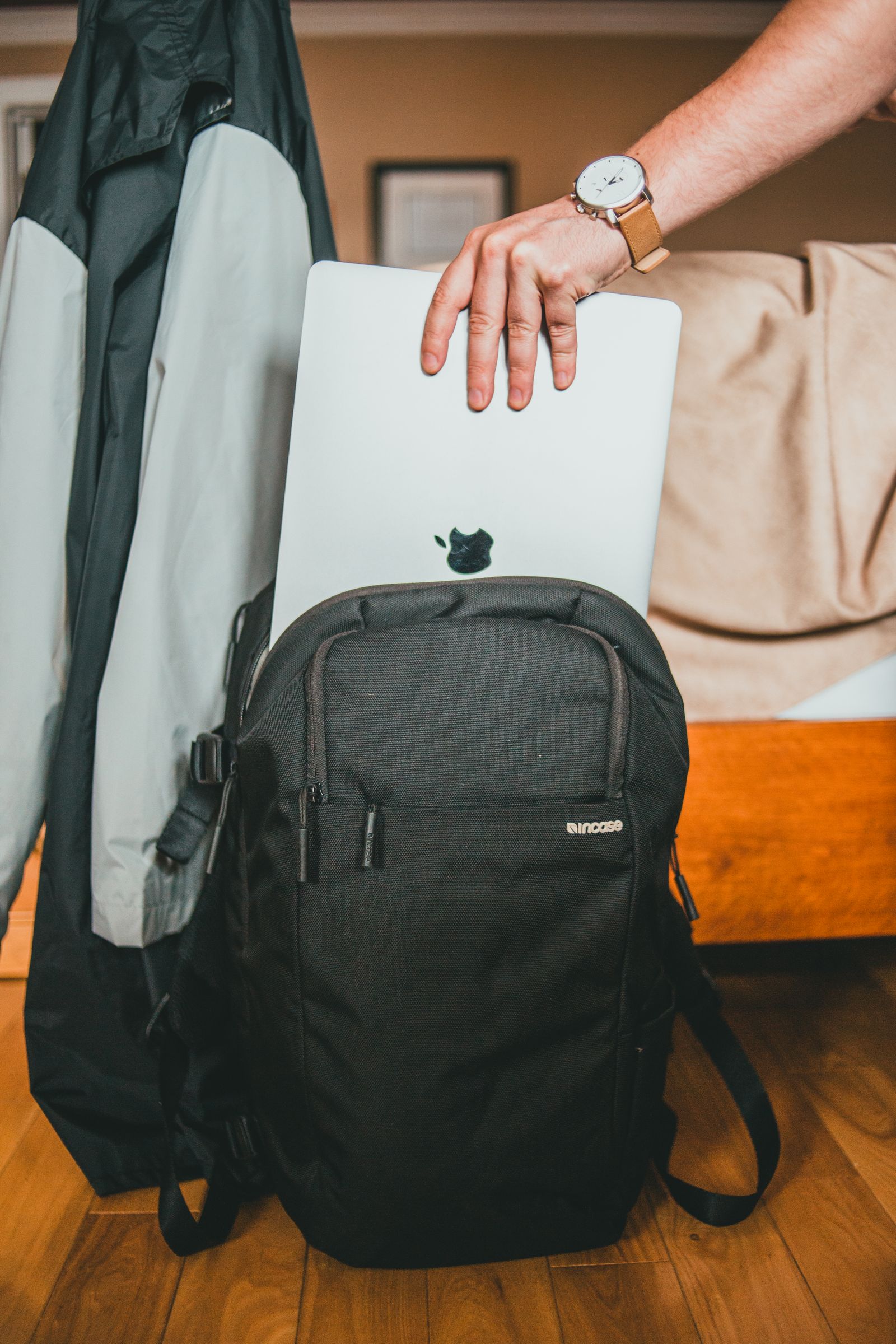
Consider where you write. A quiet room makes fan changes and a loud spacebar more noticeable. A bright cafe makes reflections more important. If you move often, check the laptop's total carrying weight and whether the battery handles your usual session with reserve.
A good touchpad also deserves attention. Writers spend time selecting text and positioning a cursor, not just entering words. Try these movements without a mouse, especially if the laptop will be used on small tables.
Save where your work gives you permission
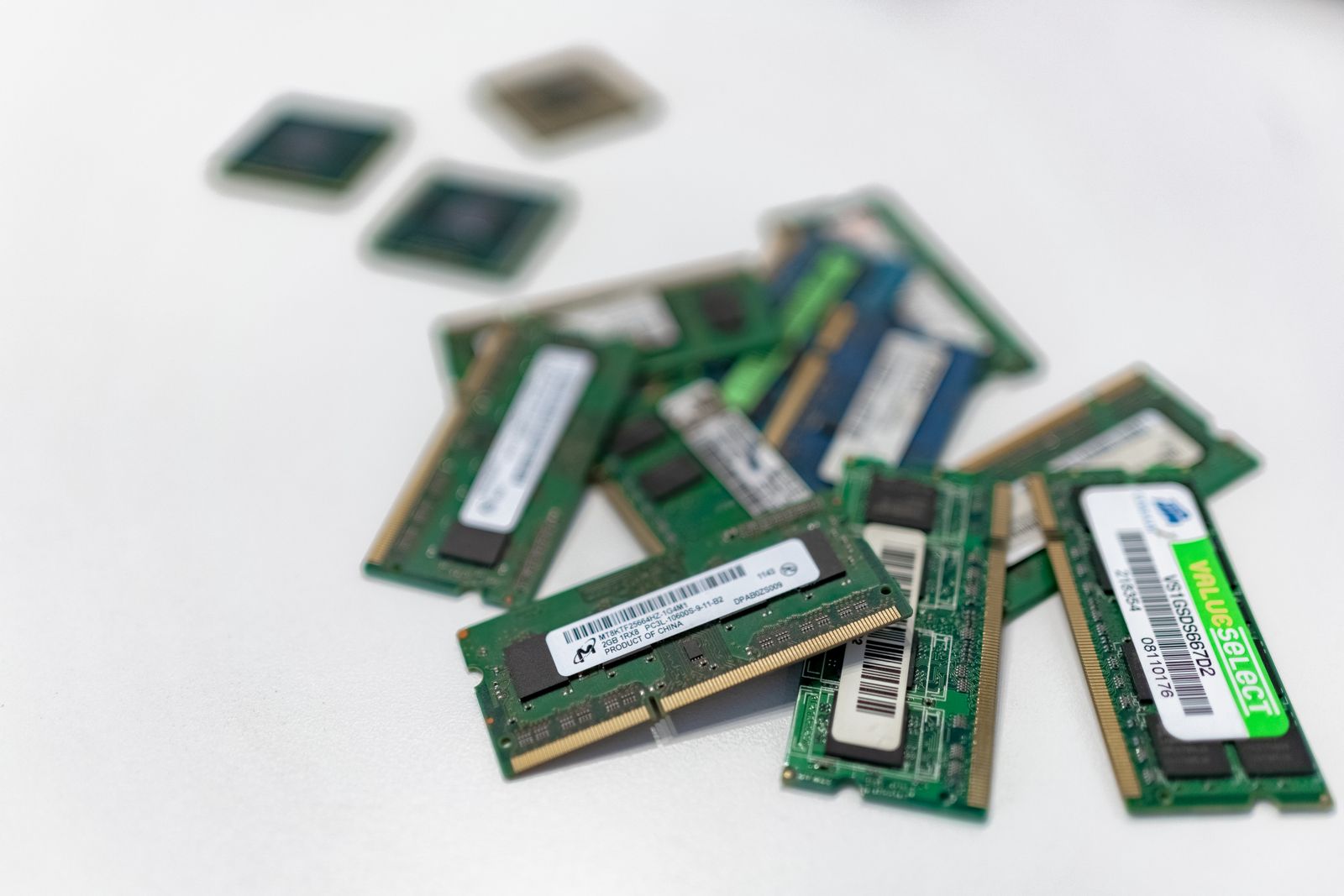
Ordinary text editing rarely requires the most powerful processor available. The exception is the work around the writing: large research databases, complex publishing layouts, media editing or other demanding applications can change the requirements. Buy for that complete workflow rather than assuming every writer has the same needs.
Storage requirements can be modest for text alone, but scanned research, photographs and audio interviews can grow quickly. Estimate your actual collection. More internal space can be convenient, while an external archive may suit material you seldom open. Keep another copy of irreplaceable work regardless of where the main files live.
Do not make portability depend on a cloud connection you cannot count on. Check that your writing app can open and save the needed documents offline, then confirm that changes sync correctly after reconnecting. Test this with a disposable document before taking the laptop somewhere remote.
The final budget should include a backup routine and the software you intend to use. A machine with a comfortable screen and keyboard, enough capacity for your real workload and a tested way to recover a draft is a stronger writing purchase than a faster laptop that makes the basic act of working on a page unpleasant.