Find the files that are easy to overlook
Start with the obvious folders—Documents, Pictures, Desktop and Downloads—but do not stop there. Some applications keep projects, templates or exports in their own locations. Check the recent-file list in the programs you rely on and note where those files actually live.
Include browser bookmarks, locally stored mail, custom dictionaries and other settings that matter to your work. Some may sync through an account; others require an export. Confirm the method before assuming that signing in on the new computer will reproduce everything.
A project can depend on several files. A video timeline may refer to media stored elsewhere, and a design file may depend on linked images or fonts. Use the application's collect, package or export function when it offers a supported way to gather those dependencies.
Choose a transfer route you can verify
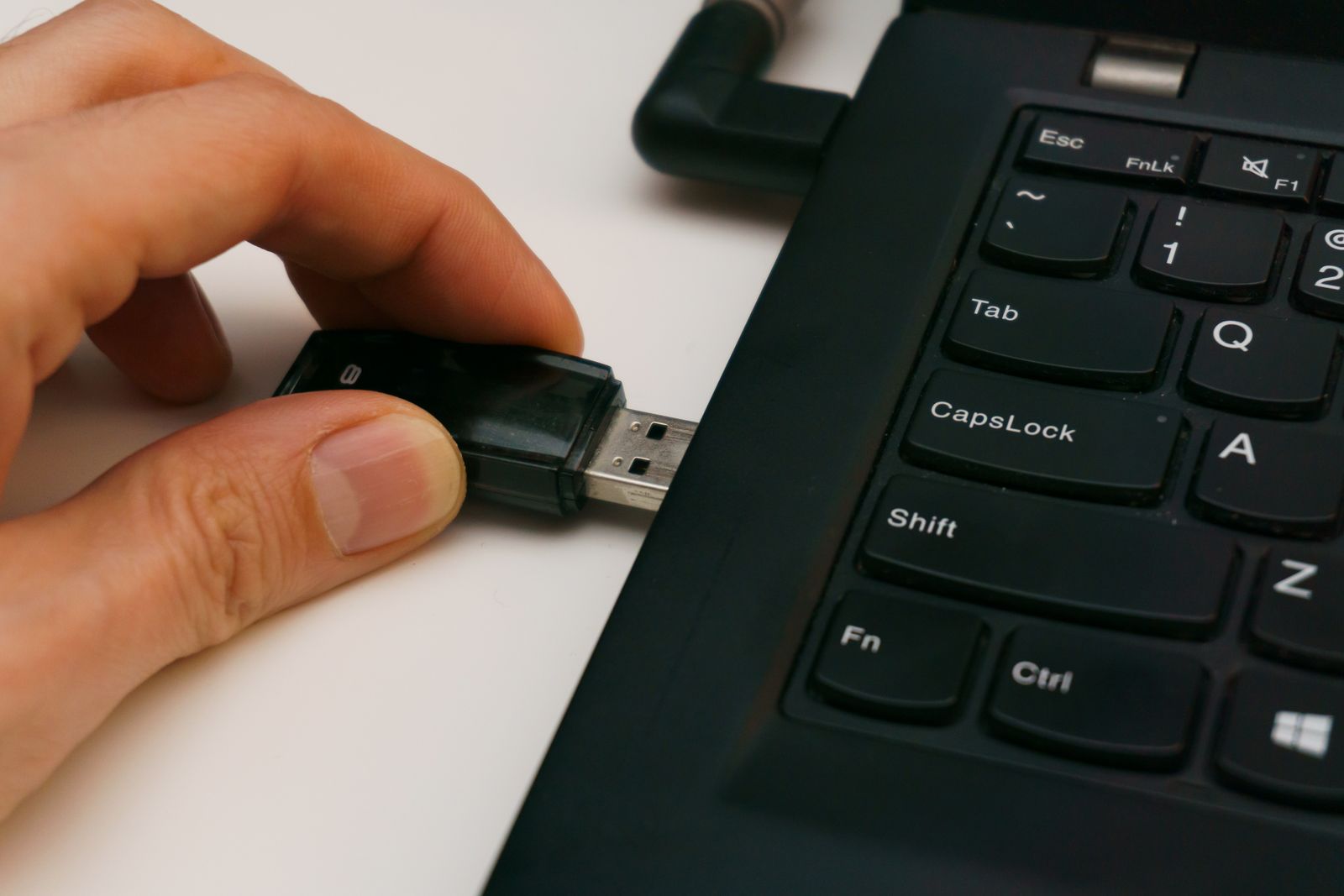
An external drive is straightforward when both computers can read it and it has enough free space. A network transfer can avoid another device but depends on a reliable connection and suitable sharing settings. A cloud service can be convenient, provided you understand its capacity and sync behavior.
Whichever route you choose, copy rather than move the originals at first. Use a clearly named destination folder so a partial transfer does not become mixed with an older collection. For a large archive, move in logical groups and check each group before starting the next.
If a service reports an error or a transfer stops, investigate that batch rather than repeatedly starting the whole job into the same folder. Duplicate names with added numbers can make later comparison much harder. Keep a brief note of what has been copied successfully.
Check contents, not just folder names
Compare file counts and overall sizes where those figures are meaningful, then open a selection of files from different dates and formats. A folder can exist without all of its contents. Pay particular attention to the most valuable files and the largest projects.
Check that cloud files are downloaded when local access is required. An online-only placeholder can look like a normal file in a folder view. Disconnect temporarily and try opening a few intended offline files to confirm the arrangement.
Applications may need to be installed again rather than copied as folders. Use the developer's supported installation and licensing process. Save license information and deactivate the old installation only when the product's rules require it and the new setup has been planned.
For sensitive documents, use an appropriate protected transfer method and keep account credentials out of shared folders. A temporary transfer drive should not become an untracked copy of private material left in a drawer or handed to someone else.
Keep a recovery copy after the move
Once the new computer is working, create or confirm a separate backup. The old machine can provide temporary reassurance, but it is not a complete long-term backup plan if it will soon be reset or given away.
Work from the new computer for several ordinary sessions before removing the old files. Note anything missing and retrieve it while the original is still available. This delay is particularly useful for infrequent tasks that reveal forgotten templates or archives.
Only after the new files and backup have been checked should you prepare the old device for its next use. Separate that erasure from the migration itself, with a deliberate final check. It is much easier to spend a few extra days retaining a copy than to reconstruct a folder that was never transferred.

