Charge level and battery condition are different readings
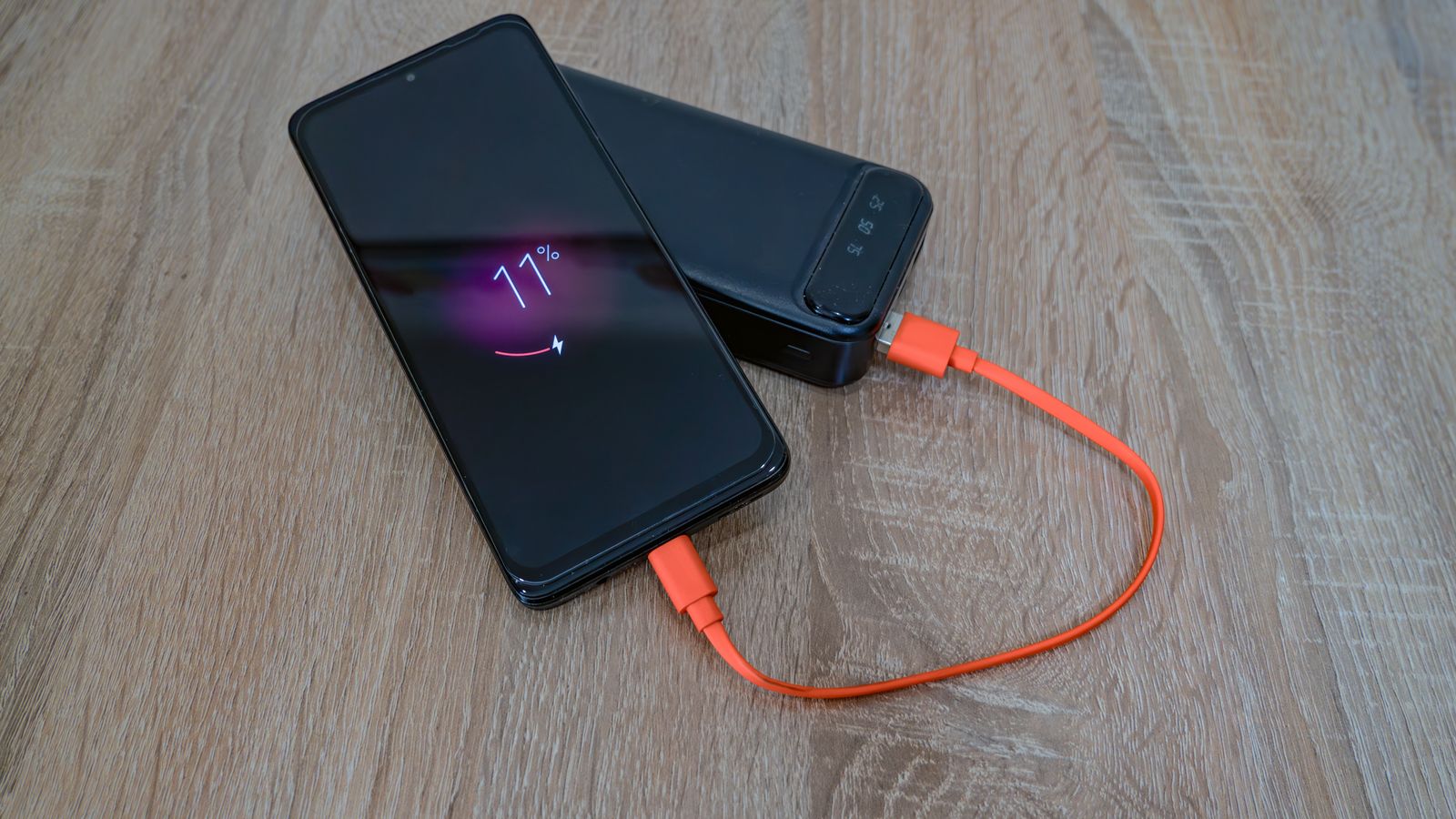
The percentage near the clock is the charge level. A battery-health or maximum-capacity reading, where a phone provides one, describes something different: how much the battery can hold compared with an earlier reference, often its capacity when new. An aging battery can reach a displayed full charge while storing less energy than it once did.
Apple describes maximum capacity as a comparison with the battery when new. That is useful when assessing an older iPhone, but it should be considered with actual behavior. A phone that lasts through your usual day may still meet your needs. One that shuts down unexpectedly or reports a service problem needs closer attention than its charge icon alone suggests.
Compare like days
A quiet day on home Wi-Fi and an afternoon of navigation, photography, and poor reception are not fair battery comparisons. Before blaming a recent update or a failing battery, look at the phone's battery-usage screen. Note which apps were active, how much the screen was used, and whether a long download or initial setup was still running.
Try a short, repeatable observation instead of watching the percentage minute by minute. Charge to a similar level, use the same ordinary tasks for a morning, and record the result. Include a note if you spent the time somewhere with weak service or unusually high temperatures. This will not produce a laboratory battery test, but it can show whether there is a persistent change worth investigating.
Be wary of advice that promises to repair an aged battery by clearing an app or installing a battery optimizer. Software settings can reduce energy use; they do not replace worn battery material. Nor should you repeatedly drain the phone simply to make the percentage feel more accurate. Follow the manufacturer's guidance if it identifies a reporting issue for your model.
Choose the response that matches the symptom
If one app accounts for an unusual amount of activity, review that app's settings and updates before changing the whole phone. If the device is otherwise useful but its battery no longer lasts long enough, compare an authorized battery service with replacing the device. Ask about the full service cost, backup requirements, and expected downtime.
For a used phone, request the available battery information and ask how the seller describes its condition. Treat missing information as missing, not as proof of either a good or bad battery. Leave enough time within the return period to use the phone away from a charger.
Stop using a device with a visibly swollen battery or a damaged enclosure and contact the manufacturer for service instructions. That is a physical problem, not a percentage problem, and it is not something to test by continuing to charge.