Listen to a realistic voice sample
Look for microphone examples made with the exact headset and connection mode you intend to use. A quiet-room recording is useful, but it does not show how the microphone handles a fan, keyboard, or another person nearby. Pay attention to whether noise reduction makes the voice sound broken or unnatural.
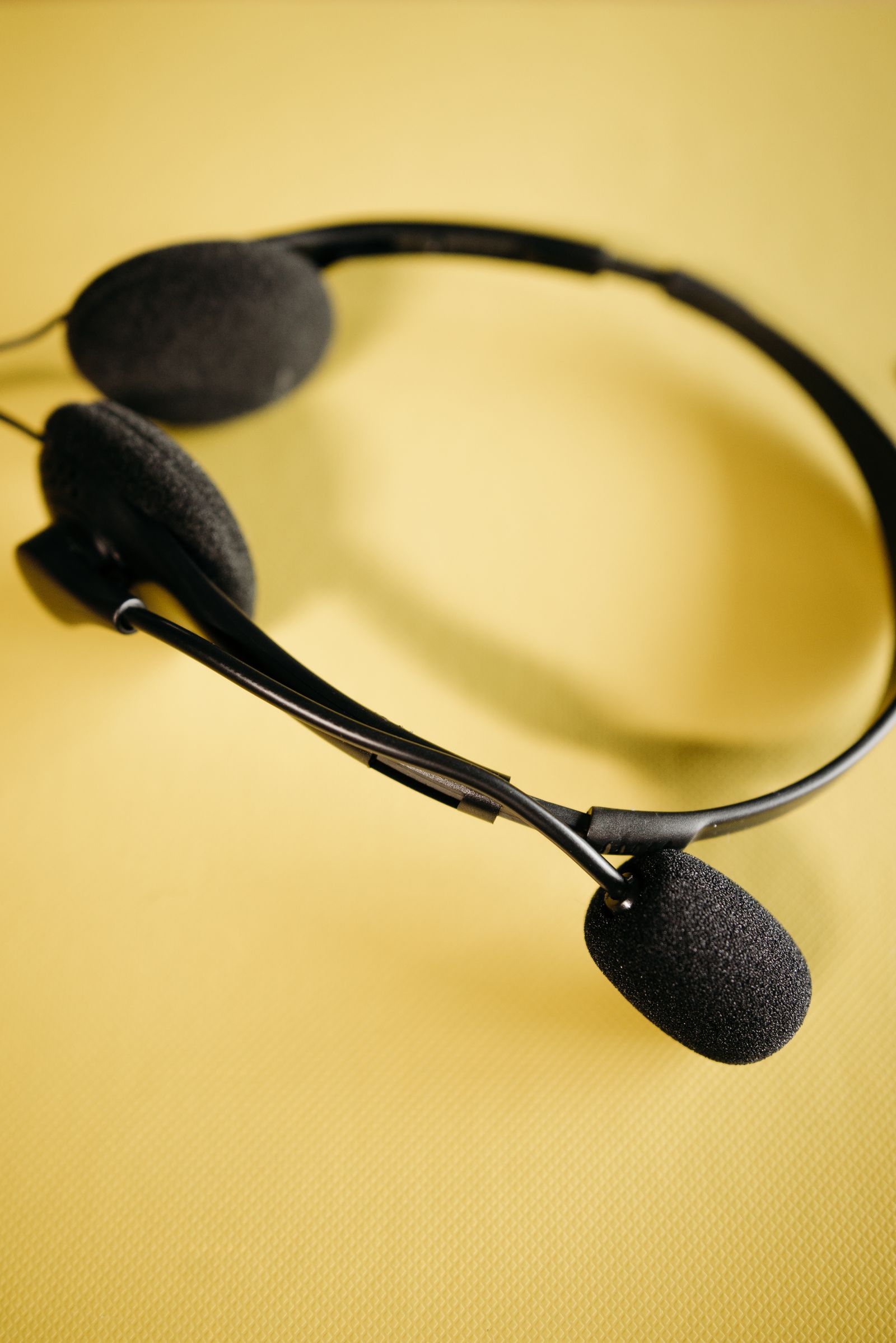
If you can test the headset, record a short passage while typing a few words, then listen back. Keep the microphone in the position recommended by the manufacturer. A boom placed directly in the breath stream can create a different problem from one positioned beside the mouth.
Ask a willing caller whether your voice remains understandable at an ordinary speaking volume. Avoid compensating for a poor setup by speaking loudly all day. Check the meeting app's selected microphone before concluding that the headset is at fault; it may still be using the laptop's microphone.
Choose the connection you can live with
A wired USB headset can make a fixed desk simple, while a wireless model lets you move away from the computer. Consider charging, range within your actual room, and whether a receiver occupies a port you need for something else.
If a model offers both Bluetooth and a dedicated wireless receiver, read which features and audio modes are available through each. A test made through the receiver may not describe Bluetooth behavior. Compatibility with the operating system and calling app also deserves a check.
Find out how mute works. A button, a lifted boom, and an app's mute icon can behave differently. Test which action changes what the caller hears, and whether you receive a clear indication. A visible control is useful only if you understand its state.
Wear it for more than a minute
Check the pressure around your ears, the weight, and whether glasses change the fit. A headset that feels fine during a short demonstration can become distracting during a long meeting. Return conditions matter when comfort cannot be judged before purchase.
Consider whether you need to hear the room. An open or single-ear arrangement can suit some shared environments, while a closed design may help elsewhere. Choose for the room's demands rather than assuming that maximum isolation is always desirable.
Keep the charging cable or receiver with the headset, and test reconnection after sleep. A clear microphone, a comfortable fit, and predictable controls make a stronger everyday combination than a long list of features you never use.