Find your next step.
Browse a topic or search for the device, setting or task on your mind.

Saving receipts so you can find them for a return
The receipt you need for a return is usually the one you cannot find in your inbox or photo library. Save a readable copy when the purchase is still fresh, and keep it with the product's order details. A small record now can save a long search when something stops working.
Read the guide
Before you click a delivery-message link
A delivery message is convincing when you are already waiting for a package. That does not make its link safe. Before paying a small redelivery charge or entering an address, check the order through a route you already know. The real shipment should be traceable without relying on the unexpected message.
Read the guide
Passkeys, passwords and the recovery step people forget
A passkey can make signing in feel almost effortless: unlock a device and the account opens. That convenience makes it easy to skip the less visible question of recovery. Before relying on a new sign-in method, work out what happens if the device is lost, replaced, or unavailable.
Read the guide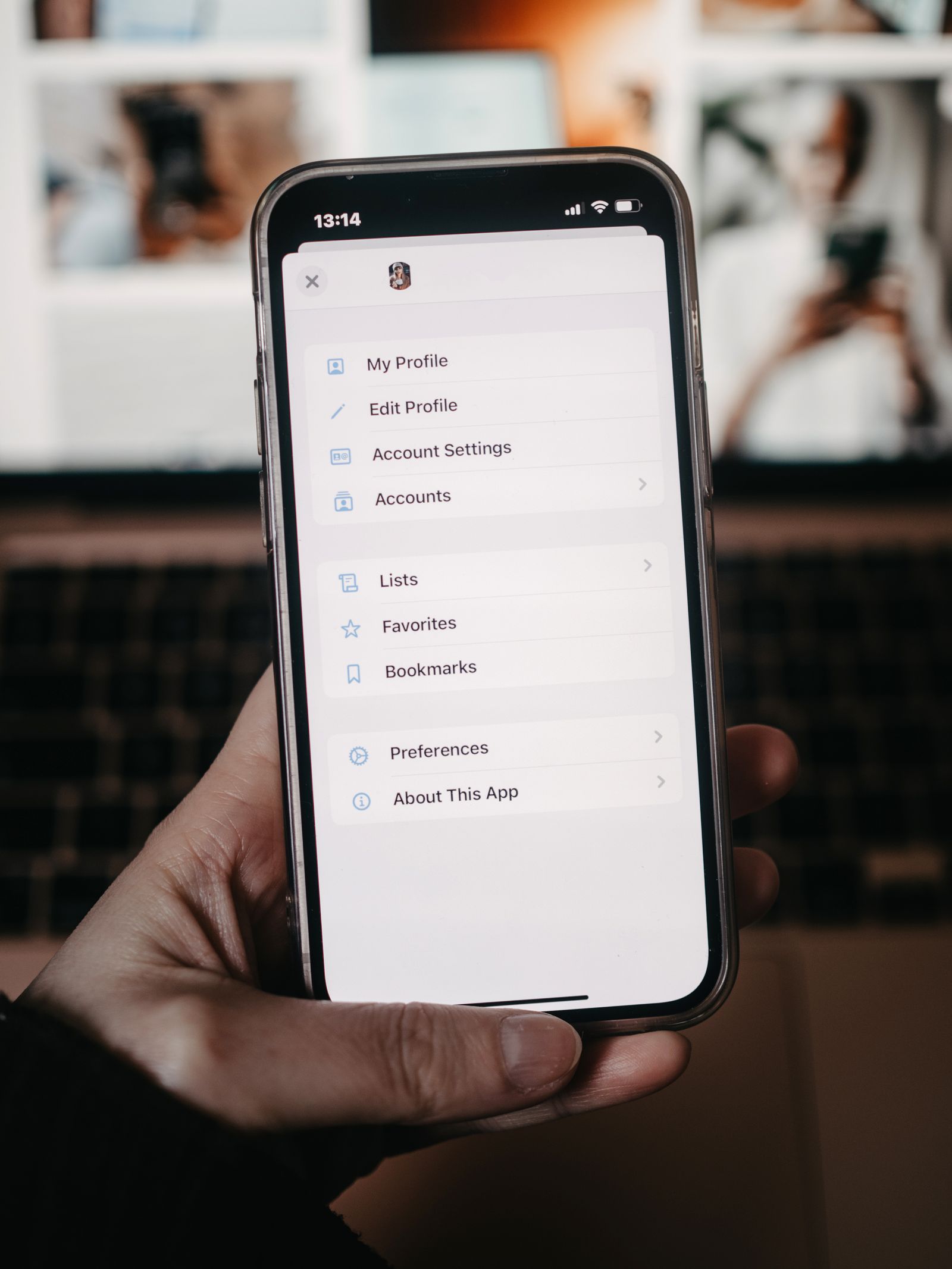
Checking account recovery details while you can still sign in
Account recovery is easiest to check while the account still opens normally. An old phone number or forgotten secondary inbox may stay unnoticed for years, then become the only route offered after a lost device. Review the details during a calm moment, before changing phones or leaving for a trip.
Read the guide
Building a small digital travel folder
A travel folder is useful when it contains the few things you might need without a connection. Filling it with every booking email can make it harder to use. Save the confirmed details, keep sensitive documents protected, and test that the essential files open before you leave home.
Read the guide
A shared family calendar that stays understandable
A shared calendar works when an entry tells everyone what it means and who needs to act. Color alone rarely does that. Agree on a few naming habits, keep private appointments in the right place, and test how invitations and notifications reach the people using it.
Read the guide
Checking what a free app asks you to give up
A free app may be entirely suitable, but its price does not describe the whole exchange. It may show advertising, require an account, limit exports, or encourage a later subscription. Before moving your files into it, check the parts of the arrangement that would make leaving difficult.
Read the guide
Canceling a subscription without losing the files you need
Canceling a subscription and keeping the work you made are separate jobs. Before the paid access ends, find out which files are stored locally, which live in the service, and which need exporting. Give yourself enough time to open the exports and fix anything that did not come across properly.
Read the guide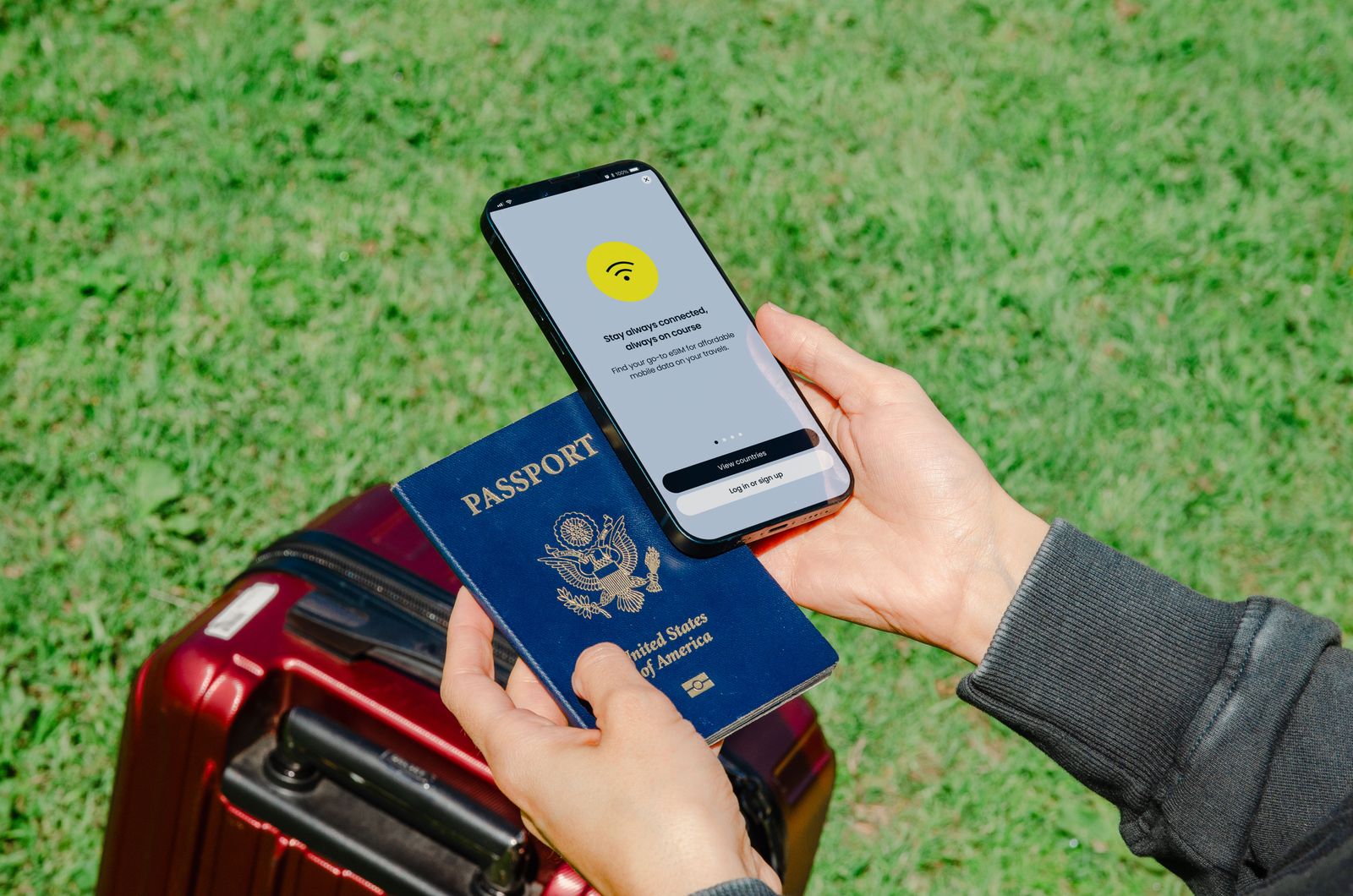
Preparing a device for a week away from home
A device that works perfectly at home can become awkward away from its usual network, charger, and recovery phone. Prepare the few things your trip depends on, then test them offline. Avoid making a major software change at the last minute unless it is necessary and you have time to check the result.
Read the guide
Writing a useful support request
A useful support request lets another person see the problem without standing beside your computer. Describe the expected result, what happened instead, and the smallest sequence that produces it. A short, specific report usually gives support more to work with than a long account of how frustrating the device has become.
Read the guide